Bureaunia Chronicles: Episode 12
Bureaunia’s fraud detection system ran in seconds. Its grievance system in 47 days. This is not a technical gap. It is a governance choice.
The Black Box Nobody Designed for Mariamix
Mariamix called BurePay. Ten minutes on hold, then: “We see your account is flagged. We are looking into it.” Then, nothing. No case number, no timeline, no promise of a call back. Just a voice that repeated the same thing to everyone.
She called the Social Protection helpline. An automated voice listed options that were too complicated for her to follow. She pressed a number. Nothing.
The fraud detection moved fast because the system was designed to move fast. The grievance system moved slowly because it was designed as an afterthought.
In the physical world, she would have known what to do: She would have gone to the village chairman. Or the local leader, the trusted intermediary. Going digital took that away from her. In the digital world, all that social construct goes away and becomes a black box. The same system that said “Verified” to the thief in under a second had nothing to say to her for days. It is no wonder that as per World Bank research, only 11 percent of fraud victims report through formal channels. Not from shame.
Ticking the Box Is Not Resolving the Problem
BurePay logged the complaint and passed it to the ministry. The ministry sent a note to Social Protection. Social Protection replied that it was between BurePay and the ministry. Three agencies, three records, zero accountability. Each ticked a box. Nobody offered a solution for Mariamix.
Countries That Stopped Passing and Started Owning
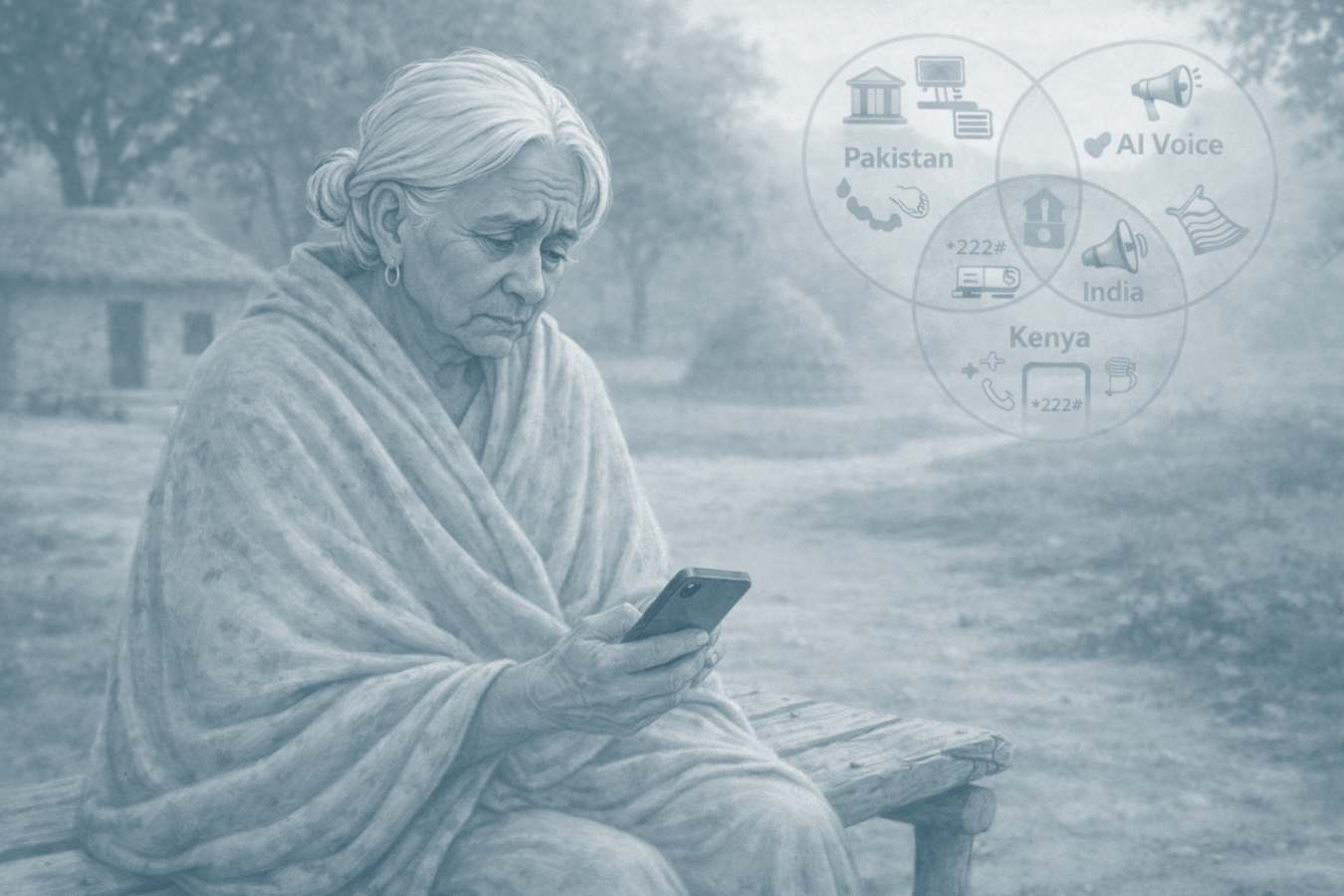
Pakistan’s BISP 2025 Integrated Grievance Management System, launched with ADB support, gives every complaint one entry point. Routing is automatic. Deadlines are binding. The beneficiary never needs to know which department failed her.
Kenya’s Inua Jamii cash transfer program embedded grievance redress into the same USSD code (*222#) that beneficiaries already use to check balances, making complaints accessible via mobile phones. For those unable to navigate phones, community-based Beneficiary Welfare Committees (BWCs) provide a local, human channel to lodge grievances.
India’s UMANG platform goes further: AI voice assistants in regional languages let semi-literate users voice their complaint in their native tongue and receive a case number by audio. As the World Bank’s CIVIC initiative notes, voice AI linked to public data can detect systemic failure before it becomes a crisis.
This is a grievance system that is built-in. Not treated as an informal favour.
Fiscalia’s Fix: Stop Passing the Problem. Start Owning It.
Bureaunia needs to learn from the examples of other nations. Once you make a call from any basic phone, four principles will dictate the grievance system:
- One door. With one entry point by hotline, USSD, or voice. Just one case number and one owner responsible for it. It is the system that must figure out which agency failed, not the citizen.
- One deadline – 48 hours. Miss it and the case would escalate automatically. SLA breaches sit on the compliance dashboard. This is accountability that’s embedded in the architecture and not in goodwill.
- One consequence. When 200 beneficiaries report the same issue in 72 hours, it is a system failure, not 200 individual complaints. This complaint pipe then becomes a governance audit.
- One rule above all. Mariamix and other citizens should never have to call back to find out what happened. Every status change triggers an automatic SMS or voice update that she can understand.
The burden of communication must sit with the institution, not the citizen. A grievance system that goes silent after registration is not a grievance system. It is a complaint bin.
Who Decided Mariamix Could Wait?
Nobody decides to make grievances fail. But they decide that grievances are not urgent enough to fund, not important enough to measure, and not visible enough to own.
Saturation without a stack is exclusion. Bureaunia reached millions of beneficiaries and left them without a functioning complaint layer. That is nothing but the appearance of inclusion. A phone menu Mariamix cannot follow is not a grievance system but a closed gate.
Bureaunia has no grievance data strategy. No days-to-resolution metric. No cases-abandoned count. No intelligence on money stolen and never recovered. Without good data there is no learning. Without learning, the same crack opens next month.
The true measure of DPI is not just payments processed. It is days to grievance resolution, cases abandoned, and money never recovered – metrics that are equally important as payment success rates. They must be reviewed by the same minister, carrying the same consequences for failure.
Until they do, Mariamix will keep calling a number that leads nowhere, and we will keep celebrating delivery.
For she did not fall through the cracks. We built the cracks. Then called it a system.
Anir Chowdhury
#BureauniaChronicles #Governance #GrievanceSystems #DigitalDivide #G2P #DPI
Leave a Reply