Bureaunia Chronicles: Episode 4
Representing Bureaunia, I was really excited and inspired to attend the Digital Cooperation Day on September 22 on the sidelines of UNGA 80. The day was abuzz with many concepts and terminologies, facts and figures, voices from policymakers, grassroots, youth and development partners, pledges and commitments from ministers, mayors and funders.
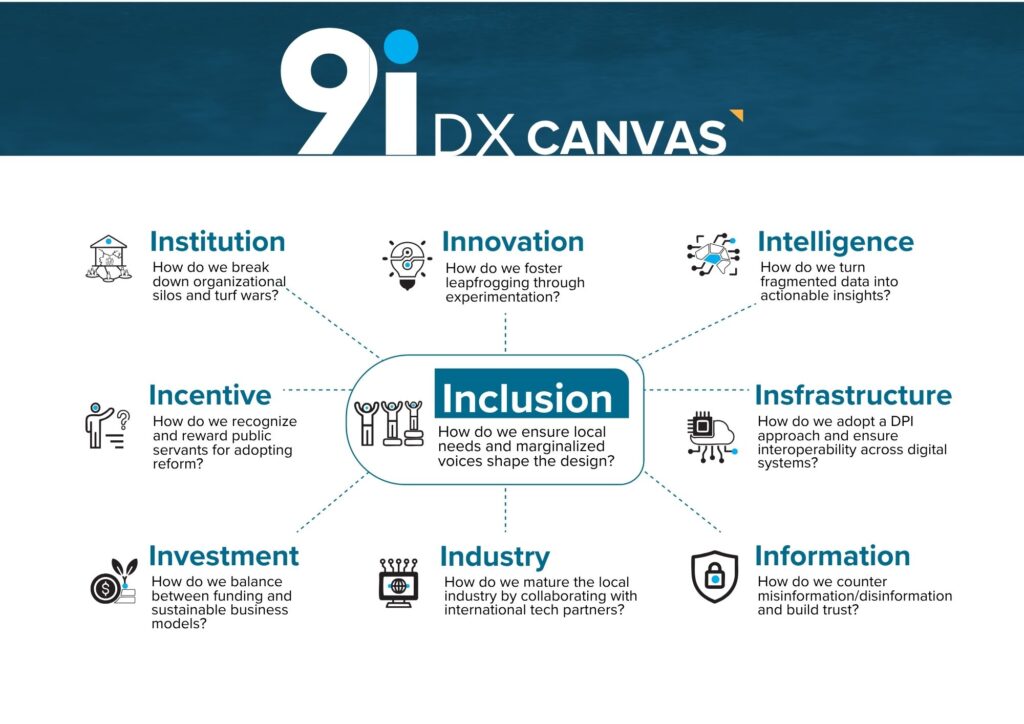
Three words—or perhaps concepts—kept echoing in every speech, every presentation, until they were etched in my brain: DPI, AI, and inclusion.
I walked in with only surface-level knowledge about DPI. The country experiences shared throughout the day didn’t just inform me—they transformed my understanding of why we need a DPI approach and what tangible benefits it can deliver to governments and people, especially marginalized populations.
And AI? I was genuinely amazed. Despite the fears surrounding AI in job decimation and turbocharging misinformation and disinformation, the leap that AI is making for good is staggering and promising—bringing services closer to people in ways we hadn’t dared imagine possible. Transactional services, education, healthcare, law and order, disaster prediction, social safety net delivery, grievance redress. The list goes on.
I left at the end of the day with questions circling in my head.
Will safe and interoperable DPI ensure inclusion by connecting all the silos in the back-office of government departments? What does Bureaunia have to do to benefit from the Universal DPI Safeguards Framework 2.0 published by the UN and UNDP and accepted by the UN member countries
Is AI the ultimate digital equalizer we’ve been waiting for—the one that eliminates the need for “keyboard literacy” by allowing natural human voice as the interface for meaningful human-computer interaction (HCI)? How should we implement the recommendations in the Report Governing AI for Humanity prepared by the UN AI Advisory Body?
But most importantly: What do we really mean by “inclusion” when we throw the word around so casually? Sometimes we embellish it with impressive statistics, but I kept wondering—have most presenters actually experienced the true nature of “exclusion” enough to comprehend what it means to “include”?
Can You Design Inclusion Without Experiencing Exclusion?
September 23 started with a breakfast roundtable on AI for Good and Economic Growth. Then one of the facilitators brought down a sledgehammer on our heads.
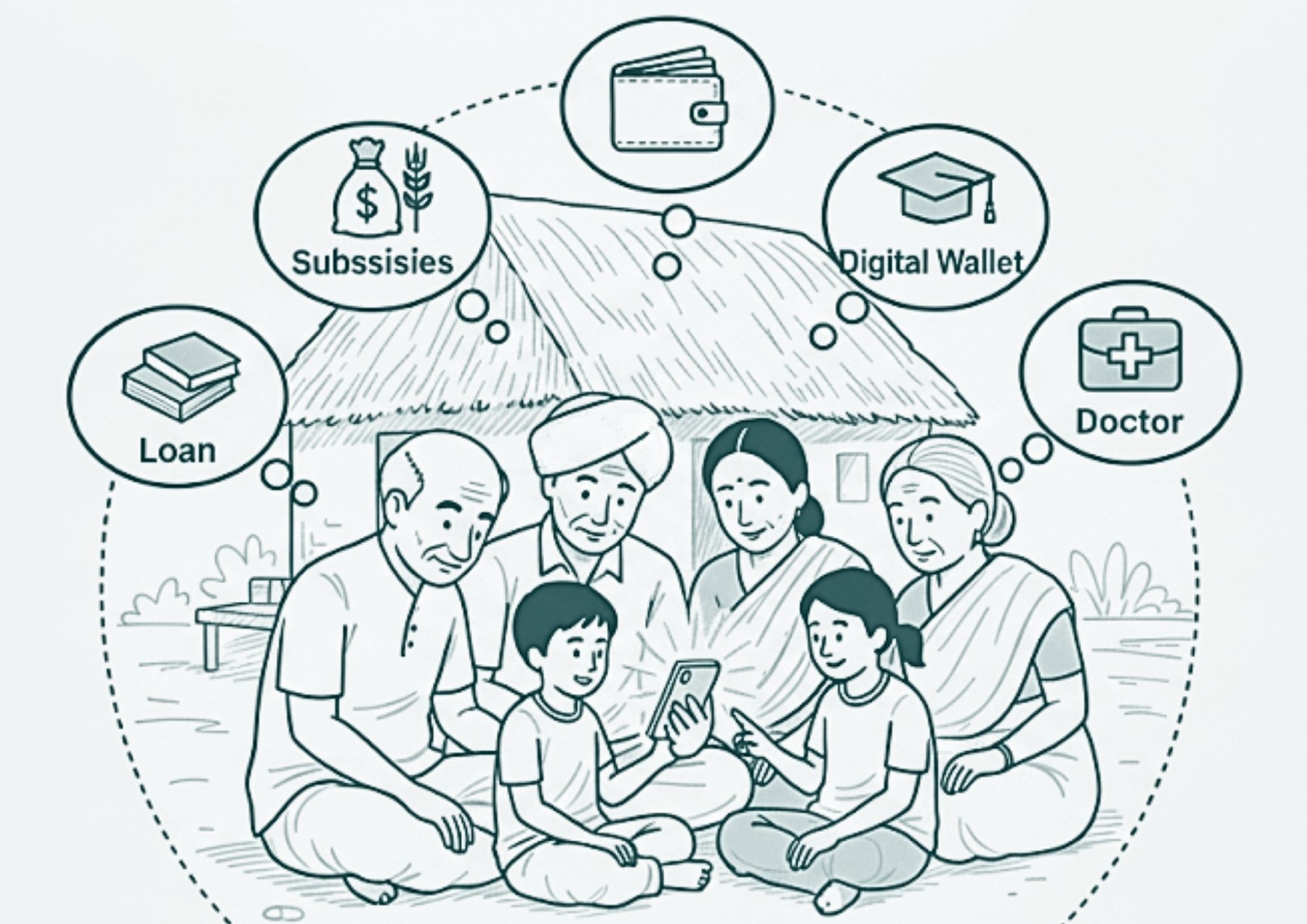
It came in the form of a vivid, real-life description: a farmer from an Indian village who wants to be included in the digital world. Why? Because he can benefit from agriculture subsidies paid digitally. His children can access educational content delivered digitally. His wife can receive SME loans showing up in her digital wallet. His elderly widowed mother can consult with doctors over video conferencing, all using the frugal smartphone shared by every member of the family for educational, healthcare, business, and entertainment purposes.
One phone. Five people. Five urgent needs competing for the same device. Nobody needing to type, and everyone speaking to the phone in the local language.
The facilitator then demonstrated how the interoperable data-sharing approach in DPI connected the silos across departments to give the farmer and his family members a seamless user experience. They didn’t have to know about the boundaries of the different departments the government created for ease of administration and governance, boundaries drawn with little attention given to what user experience was most meaningful and beneficial for ordinary people, especially the most marginalized.
The Diagrams We Drew But Never Deployed
My mind immediately flashed back to Bureaunia.
We’d done this exercise. We’d been taught how to draw diagrams of service delivery processes. The whole mapping routine: What are the steps after someone fills in a government form to apply for a service? What signatures are needed to move to the next step? How does that application ping-pong back and forth because not all supporting documents and materials have been submitted? How does the applicant know what progress has been made—or not—toward fulfillment of the application? How does the applicant file a grievance? How long must they wait? How much money must they spend traveling to the physical counter just to check on application status?
We asked these questions. We drew our diagrams. We were meticulous about dotting the i’s and crossing the t’s in our process maps. We nodded thoughtfully at our comprehensive documentation.
And then? Nothing. We didn’t simplify the services and went straight to digitize the old processes. Will adopting the DPI approach simplify things for citizens? Will it include the excluded?
We didn’t discuss simplification of service delivery at all at UNGA. At least not in the many sessions on digital transformation that I attended.
What If Simplification Came First?
It occurred to me that the DPI-approach can benefit from a service simplification methodology. Perhaps the simplification of the service process should precede the technology introduction or even interoperability discussion. At the very least, simplification and DPI architecture should proceed in parallel. Because simplification is felt and seen by the service applicants and DPI is mostly invisible to them.
Why not marry the power of DPI in terms of architecture and the power of simplification in terms of user experience in order to produce exponential benefits to the common people? Am I being too naive?
Inclusion for Whom? By Whom?
I sincerely want to know what inclusion means—to me, to my colleagues, and to that farmer.
Since I’m back in Bureaunia this week after UNGA, I want to figure out a way to bring much greater clarity to this widely touted concept of “inclusion.”
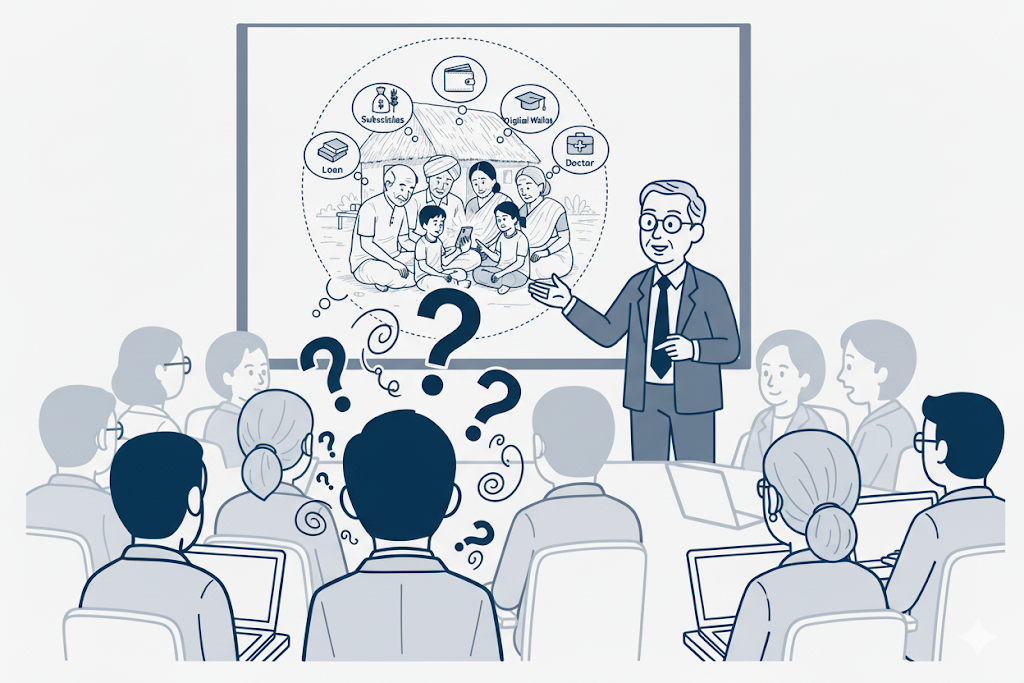
Because only then will we truly know how DPI and AI can possibly amplify inclusion or even accelerate it.
Leave a Reply