Bureaunia Chronicles: Episode 17
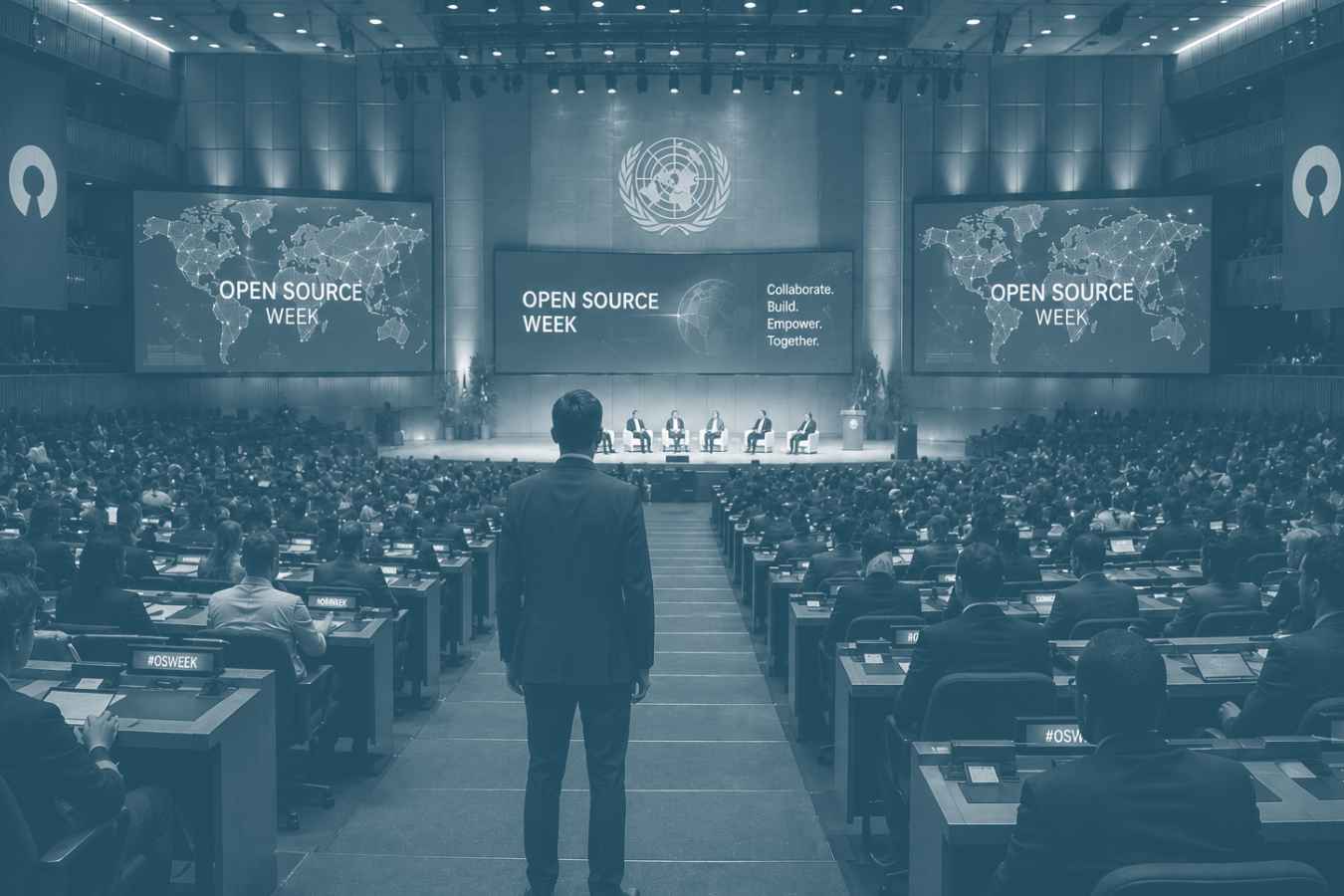
Aithorix, Bureaunia’s AI Advisor arrives at UN Open Source Week
I packed my bag the night before UN Open Source Week with the same mixture I always carry to these things: hope, and the memory of every previous hope.
Bureaunia did the obvious things for a poor country with rich ambitions. Our servers run on Linux. Our services are built on PHP. Our databases are MySQL. At the foundation, we made the right choice going beyond the slogan: open source was the floor everything stood on.
But the floor is not the building.
Above that foundation, where citizens actually touch a service, be authenticated, fill out a form, make a payment or update their personal record, we keep hitting the same wall.
We hire a vendor. We want the vendor to follow a DPI approach using the various DPGs out there. We are a member of the DPG Alliance, and we take the DPG commitment seriously.
But the vendor hesitates. They bill time and materials. They make less money when they use a DPG. They need to learn the DPG which they are reluctant to do for one project. It doesn’t make business sense for them, they tell us. In addition, they are afraid of not getting the support they need when they start with a DPG and get stuck midway through the project.
Three questions follow me into the conference this year:
- Business justification: How does a service vendor not lose money when they use a DPG even when they bill time and materials? Or, should we change the procurement methods when we use a DPG?
- Support and maintenance: Open source works when there’s a community large enough to outlast any single contract. The Linux, Apache and Mozillas of the world boast them. But the small, specific tool built for our national ID, civil registry, payments interoperability or land records has no such sustainable, large community to speak of. Just a handful of developers, a contract, and a clock. When the clock runs out, who maintains it?
- AI as a replacement: If a developer can now have AI generate most of the application layer in a fraction of the time, through a combination of vibe coding and low-code approaches, do we need the DPGs?
So I packed my bag, and packed my questions and my hope with it. I am encouraged by the plan of the Open Source Week this year:
- DPGs supporting the DPI approach: DPI has taken the world by storm. There is a dedicated DPI Day featuring a dozen deep-dive sessions plus other panels and reflections during the Open Source Program Office Day and the Community Day.
- AI as open source: AI has taken the world by a much bigger storm. The AI Day at the conference will get to the heart of the thorny issues of the impact the open source AI models can create in the face of behemoth investments by commercial AI.
- The economics of open source in public service delivery, ranging from procurement to capacity building to institutional reform to global cooperation.
All of the above sessions will explore how DPGs can accelerate, sustain and institutionalize digital transformation for public service delivery, a topic I am deeply interested in.
Let’s see how many of my old, dull questions get answered this time: who pays, who makes, who stays, and what stays in the end.
Stay tuned for my reflections … and my learning … and my takeaways.
Anir Chowdhury
#BureauniaChronicles #UNOpenSourceWeek #DigitalPublicInfrastructure #DPG #OpenSource
Leave a Reply